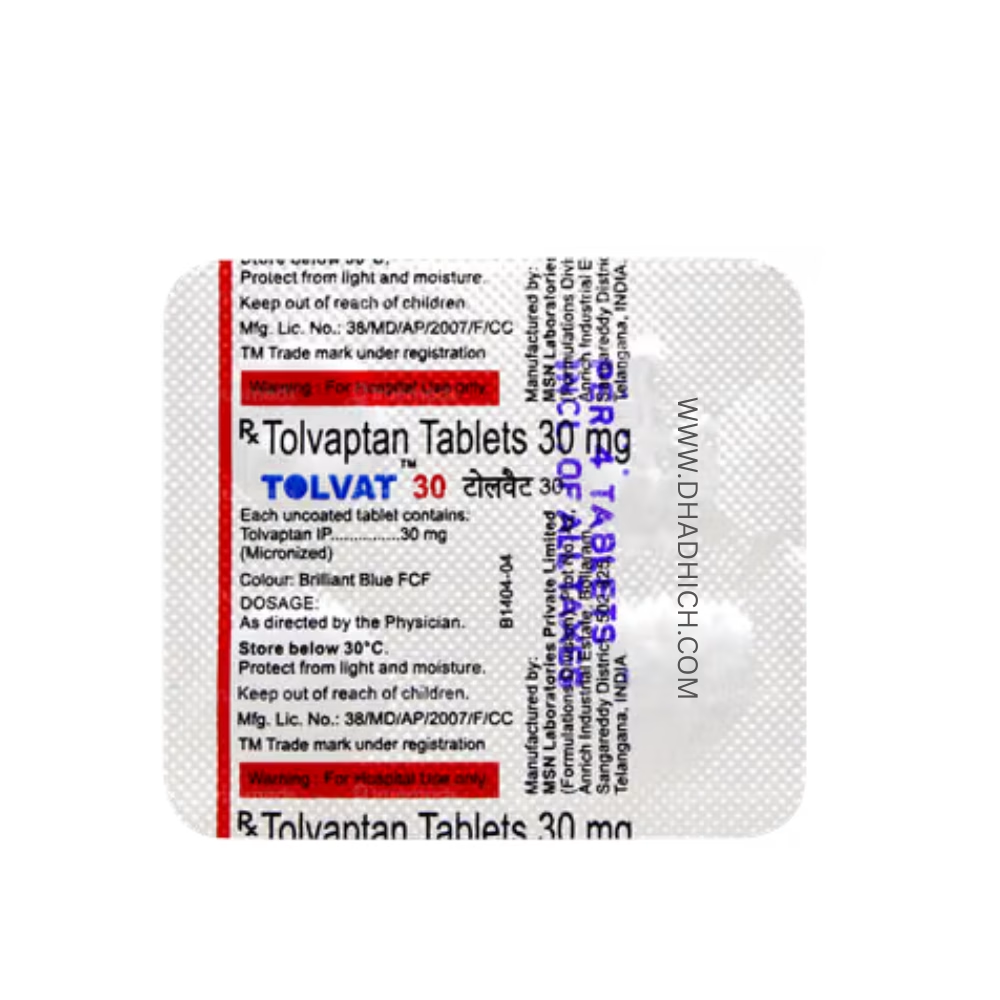
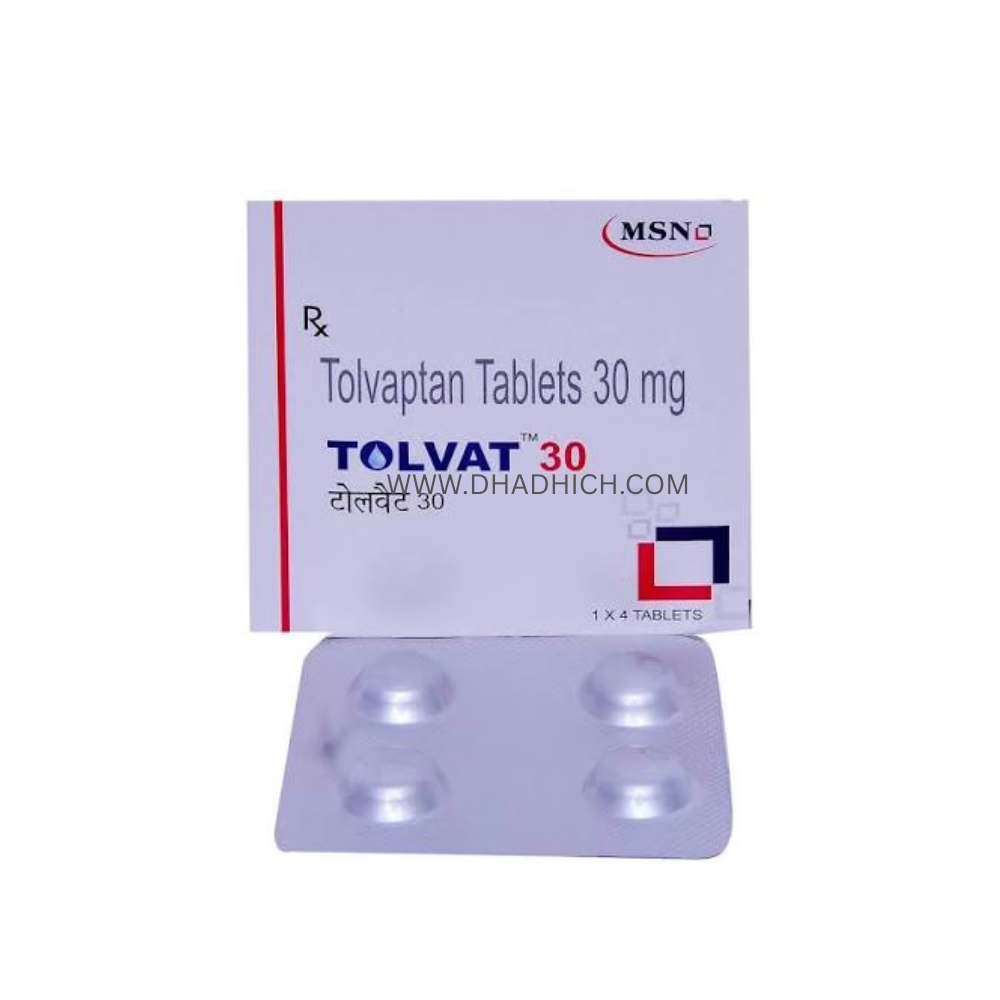
TOLVAT 30 MG
Product Description
TOLVAT 30 MG contains Tolvaptan 30 mg. It is a vasopressin V2 receptor antagonist used for certain conditions associated with low blood sodium levels and, in selected patients, for slowing the progression of kidney enlargement in autosomal dominant polycystic kidney disease. It should be used under medical supervision with appropriate monitoring.
🔹 Key Uses
Treatment of certain cases of low blood sodium levels
Management of euvolemic or hypervolemic hyponatremia in selected patients
Treatment of autosomal dominant polycystic kidney disease in appropriate patients
Helps slow the increase in kidney volume and decline in kidney function in selected patients with polycystic kidney disease
🔹 Composition
Tolvaptan 30 mg
🔹 How It Works
Tolvaptan blocks vasopressin V2 receptors in the kidneys. This reduces the action of vasopressin, increases the excretion of free water and helps raise blood sodium levels. In autosomal dominant polycystic kidney disease, it reduces vasopressin related activity that contributes to cyst growth.
🔹 Key Benefits
Helps increase blood sodium levels in selected patients with hyponatremia
Promotes removal of excess free water through urine
Helps manage certain water and sodium balance disorders
May slow kidney enlargement and loss of kidney function in selected patients with autosomal dominant polycystic kidney disease
🔹 Dosage and Administration
Take TOLVAT 30 MG exactly as prescribed by the doctor. The dose and treatment duration depend on the medical condition and individual response. Adequate fluid intake may be required during treatment to reduce the risk of dehydration. Regular blood tests may be required to monitor sodium levels, kidney function and liver function. Do not change the dose or stop treatment without medical advice.
🔹 Possible Side Effects
Increased thirst
Increased urination
Dry mouth
Dizziness
Weakness
Dehydration
Headache
Nausea
Changes in blood sodium levels
Liver function abnormalities
🔹 Precautions and Warnings
Tolvaptan can cause significant dehydration and changes in blood sodium levels and requires appropriate medical monitoring. It can also cause serious liver injury, particularly with longer term treatment for autosomal dominant polycystic kidney disease. Inform the doctor about liver disease, kidney disease, inability to drink or respond to thirst, or use of medicines that affect sodium or kidney function. Avoid excessive alcohol and follow fluid intake instructions provided by the doctor. Seek immediate medical attention for severe thirst, confusion, fainting, very low urine output, yellowing of the skin or eyes, dark urine or severe abdominal discomfort.
Additional Information
- Category: category change
- Manufacturer: MSN Laboratories
- Packaging: Tablet
- Composition: Tolvaptan 30 MG
- Storage: Store in a cool, dry place away from direct sunlight
- Shelf Life: As per manufacturer's guidelines
- Prescription Status: Over-the-Counter (OTC)
How to Use
Important: Always follow your healthcare provider's instructions when using this medication.
- Take this medicine as directed by your physician
- Do not exceed the recommended dosage
- Complete the full course of treatment even if symptoms improve
- Store the medication properly as per storage instructions
- Keep out of reach of children
- Check expiry date before use
Note: This is general guidance. For specific instructions, please consult your healthcare provider or refer to the package insert.
Related Products